

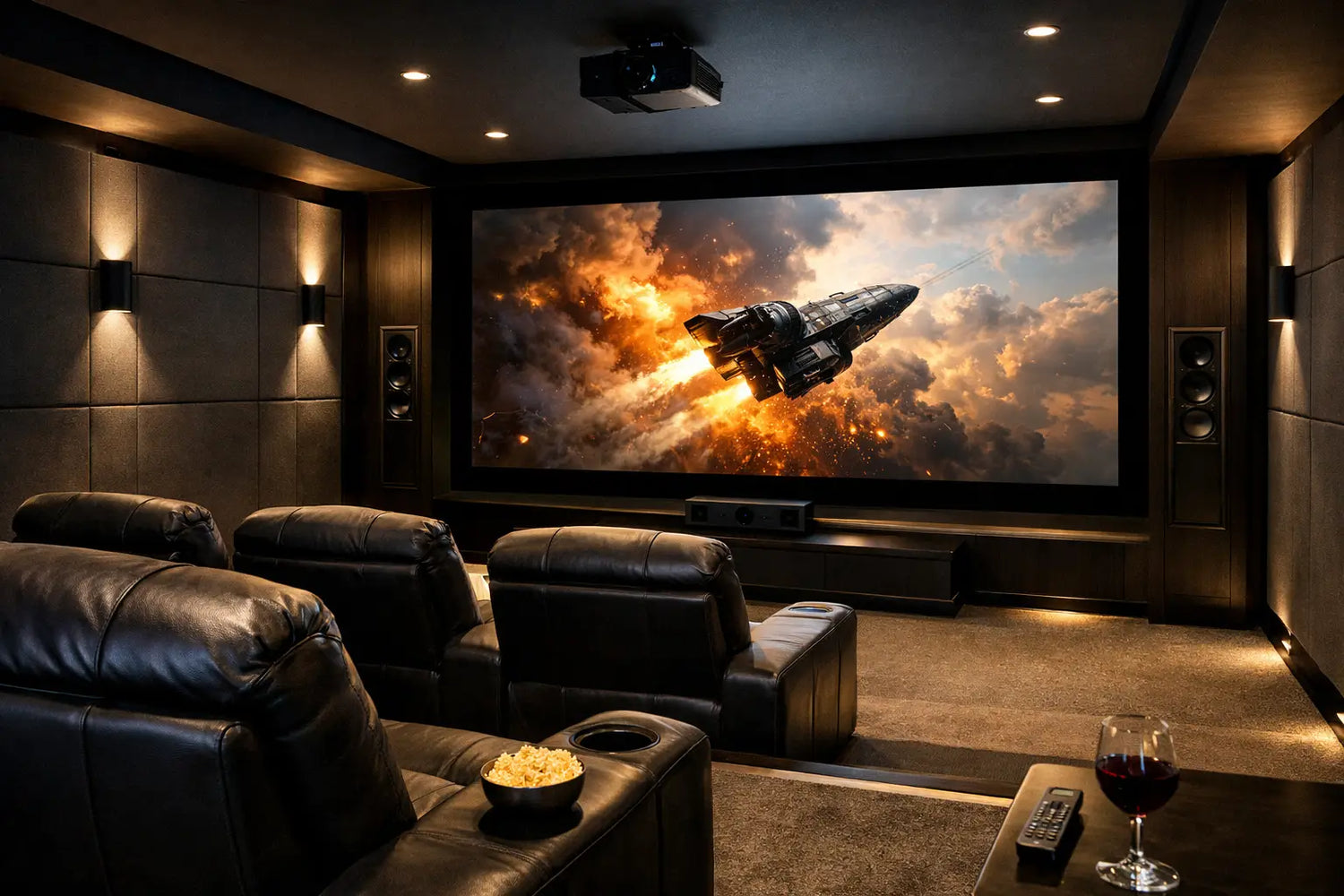
A spare room with a big TV is not a dedicated home cinema. The difference is obvious the moment the lights go down. In a true cinema room, the sound feels controlled, the screen commands attention, the seating supports long sessions, and the space itself works with the system instead of against it. That is what turns movie night into a real event.
For homeowners investing in a premium entertainment space, this is not about adding more boxes to a cart. It is about building one complete environment where picture, sound, comfort, and room design all pull in the same direction. Done well, a dedicated cinema room feels impressive without trying too hard. Done poorly, even expensive gear can feel flat.
What makes a dedicated home cinema different
A dedicated home cinema is built for one main purpose - immersive viewing. That sounds simple, but it changes almost every decision. In a living room, the system has to compromise with windows, open layouts, décor, traffic flow, and daytime use. In a purpose-built cinema room, performance comes first.
That allows for darker finishes, better speaker placement, stronger bass control, a larger projected image, and seating positioned for the best viewing angles rather than around a coffee table. It also means you can hide cables, integrate lighting, add acoustic treatment, and create a cleaner installation that feels custom rather than improvised.
This is why many buyers step up from a general media setup to a dedicated room. They want a space that looks refined, sounds powerful, and delivers consistently, whether it is a family movie night, a sports event, or a full-scale surround sound showcase.
Start with the room, not the equipment
The smartest dedicated home cinema projects begin with the room itself. Dimensions, ceiling height, door placement, window control, and wall construction all shape the final result. If the room is too reflective, dialogue gets muddy. If it is too narrow, seating and surround placement become awkward. If natural light pours in, even an excellent projector will struggle.
A rectangular room is often easier to work with than a square one because it gives you better flexibility for screen placement, seating rows, and surround sound layout. Low ambient light matters just as much as size. A smaller dark room can outperform a larger bright one.
This is also the stage where insulation and noise isolation deserve serious attention. Many homeowners focus on what happens inside the room and forget what happens outside it. A powerful subwoofer does not stop at the wall. If the cinema is near bedrooms, shared walls, or open family areas, sound isolation becomes part of the luxury. Privacy is performance.
Display choice sets the tone
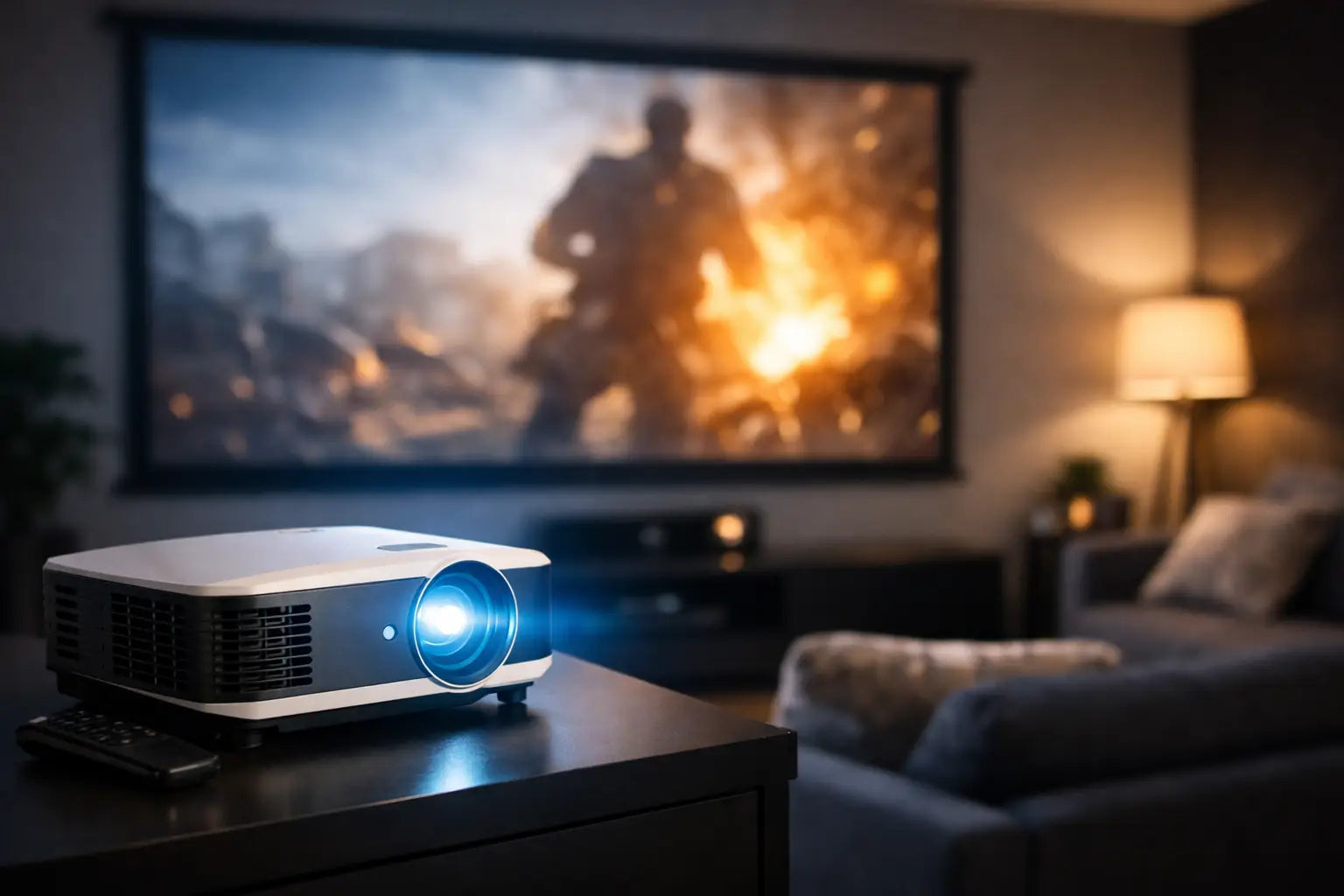
For most dedicated cinema rooms, projection is the natural choice. A projector and screen create image scale that a TV rarely matches in the same way. That sense of size is part of what makes the room feel cinematic rather than simply well-equipped.
Still, projector selection is not one-size-fits-all. Brightness, throw distance, room darkness, and screen size all need to match. In a fully light-controlled room, you can prioritize black levels and contrast. In a room with some unavoidable ambient light, brightness becomes more important. A projector that looks spectacular in one room can look underwhelming in another if the setup is mismatched.
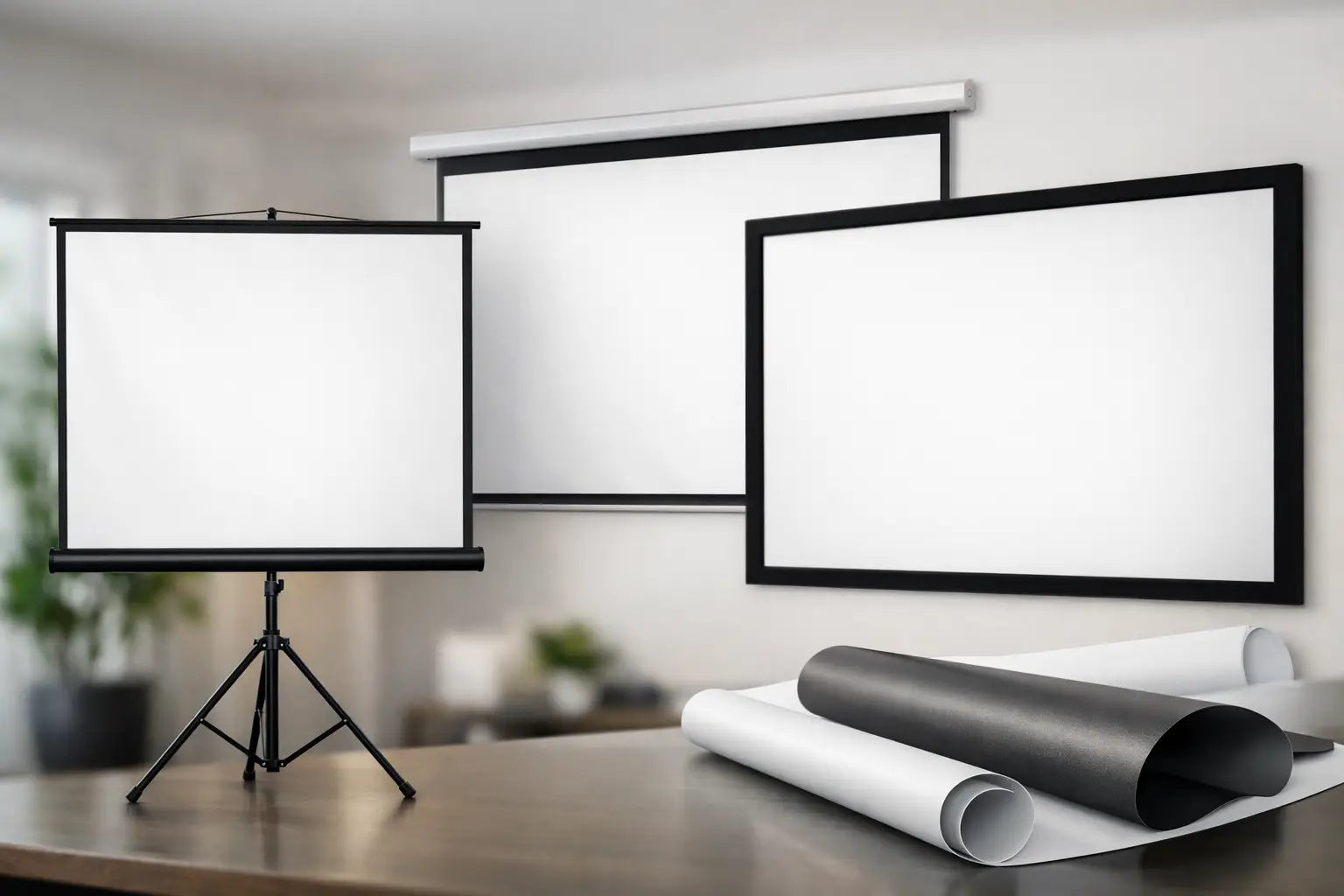
The screen matters just as much. Fixed-frame screens often deliver the cleanest, most polished result in a dedicated space. Motorized options make sense when the room serves multiple purposes, but in a true cinema room, a permanent screen usually feels more confident and more complete. Screen material, gain, and size should be chosen with the projector, not after it.
Sound is where the room earns its status
Picture gets attention. Sound creates the emotional impact. A dedicated home cinema should not just be loud. It should be controlled, layered, and convincing. You want clear dialogue at the center, effortless movement across the front soundstage, surround effects that feel intentional, and bass that has weight without turning everything into a rumble.
That starts with speaker matching and proper layout. Front left, center, and right speakers should work together as a unified system. The center channel deserves special respect because it carries so much of the dialogue and on-screen action. Surrounds and height channels then add the dimension that makes a room feel immersive rather than front-heavy.
Subwoofer integration is where many rooms either come alive or fall apart. One powerful sub in the wrong position can create dead zones and boomy peaks. In some rooms, dual subwoofers provide a smoother, more balanced low-end experience across multiple seats. It depends on the room, the listening goals, and the seating layout.
AV receivers or processors also need to be selected with care. Channel count, room correction, power demands, and expansion potential matter. A premium speaker package tied to an underpowered or poorly matched electronics chain will never show its full value.
Acoustics separate premium rooms from expensive mistakes
If there is one area homeowners underestimate, it is acoustics. Hard walls, glass, tile, and bare ceilings create reflections that smear detail and reduce clarity. You can spend heavily on branded equipment and still end up with a room that sounds unfocused.
Acoustic panels, bass management, and strategic surface treatment are what bring order to the system. This is not about covering every wall in foam. It is about controlling first reflections, preserving dialogue intelligibility, and keeping bass from overwhelming the room. The best cinema spaces feel balanced, not dead.
There is also a design opportunity here. Acoustic treatment has come a long way from purely technical panels that look like an afterthought. Today, it can be integrated into a premium room aesthetic with fabric finishes, wall detailing, and lighting design that feels intentional and luxurious.
Seating, lighting, and layout shape the experience
A cinema room should feel good for two hours, not just look good in photos. That is why seating deserves more than a quick decision at the end of the project. Seat width, recline depth, sightlines, row spacing, and armrest layout all affect comfort.
If you are planning multiple rows, riser design becomes critical. The second row needs proper visibility to the screen without awkward neck angles or blocked sightlines. In smaller rooms, one great row often outperforms two compromised ones.
Lighting is another make-or-break detail. Overhead lighting alone rarely works. Layered lighting with dimmable zones, step lights, and subtle wall accents creates mood while keeping the room usable. The goal is simple - enough light to move comfortably, and none where it harms the image.
This is where a specialist approach pays off. A polished cinema room is not just a stack of premium products. It is a layout where the screen height, speaker positions, seating angles, cable routing, and lighting plan all support each other.
Budgeting for a dedicated home cinema without guessing
A dedicated home cinema can be ambitious without becoming reckless. The key is understanding where performance gains are real and where spending is mostly cosmetic. Room treatment, speaker placement, display sizing, and installation quality often have a bigger effect than chasing specification sheets alone.
For some buyers, the right move is a balanced mid-to-premium package with strong acoustics and clean installation. For others, especially in larger villas or statement entertainment spaces, it makes sense to step into more advanced projection, premium seating, and expanded surround formats. The right budget depends on room size, usage, and expectations.
What rarely pays off is piecemeal buying without a plan. That is how compatibility issues start, cable management gets ignored, and the room ends up feeling unfinished. A project mindset usually saves money in the long run because it reduces rework and avoids mismatched components.
Why expert design matters in a dedicated cinema room
The most successful dedicated cinema rooms are rarely accidental. They are designed. That does not mean every project needs to be extravagant, but it does mean every element should be chosen in context.
A premium retailer and installation partner can look at the full picture - room dimensions, listening goals, visual style, performance targets, and future expansion. That is the difference between buying products and building a room worth walking into every night.
At AmpliMart, that full-solution approach is exactly what makes the process stronger. Instead of asking which projector or which speaker is best in isolation, the better question is which system is best for your room. That is how you get a result that feels clean, confident, and genuinely cinematic.
A dedicated home cinema should make you want to close the door, lower the lights, and stay for one more film. If the room feels effortless when it is finished, the hard decisions were made in the right places.

Leave a comment
This site is protected by hCaptcha and the hCaptcha Privacy Policy and Terms of Service apply.