

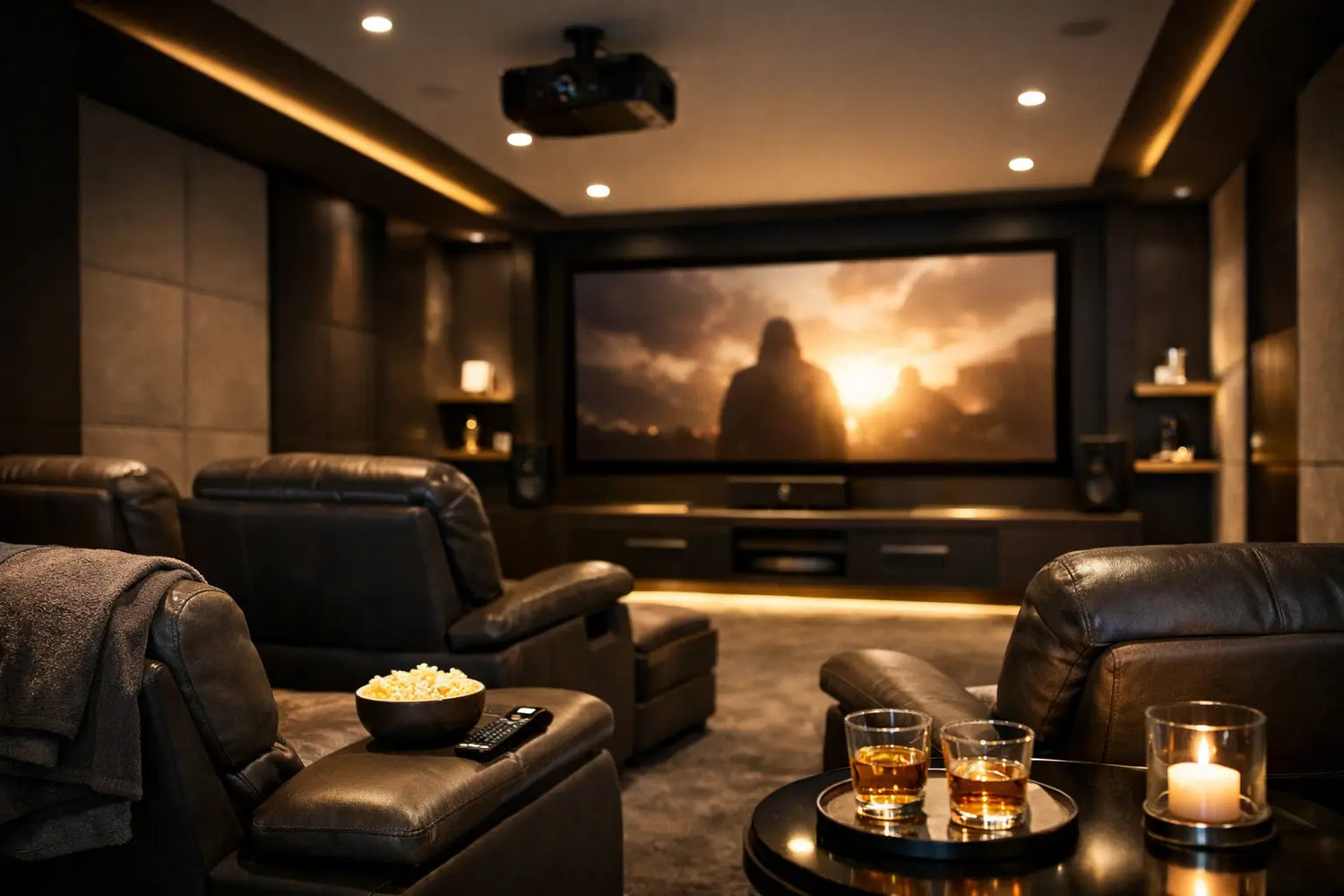
A great cinema room is not just a big TV with dim lights. If you want to know how to build a cinema room that actually feels cinematic, the difference comes down to planning the room around sound, sightlines, comfort, and control from the start.
The biggest mistake homeowners make is buying equipment first and solving the room later. Premium performance works the other way around. The room decides what size screen makes sense, where speakers should go, how much acoustic treatment you need, and whether a projector will outperform a large display in that space. Get those fundamentals right, and the entire experience changes. Dialogue becomes cleaner, bass feels tighter, and movie night stops feeling like a compromise.
Start with the room, not the gear
The best room for a home cinema is usually enclosed, predictable, and easy to darken. A spare bedroom, basement, bonus room, or dedicated media room will almost always outperform a bright open-plan living area. That does not mean you cannot build an impressive setup in a shared space. It means your design choices need to be sharper.
A dedicated room gives you more freedom with screen size, speaker placement, acoustic panels, and seating rows. A multipurpose room demands cleaner aesthetics and smarter compromises, such as in-wall speakers, a motorized screen, or a cabinet-based installation. Both can look stunning. The question is whether you want a room that occasionally shows movies or a room that is built around them.
Room shape matters more than most buyers expect. Square rooms can create uneven bass and awkward reflections. Long rectangular rooms are generally easier to tune. Ceiling height also affects your options, especially if you are considering immersive audio formats with height channels. Before buying a single component, measure the room properly and decide where the screen wall will be.
How to build a cinema room with the right layout
Layout is where performance starts becoming real. Your main listening position should sit far enough from the screen to feel immersive without making the image uncomfortable to watch. Bigger is not always better if you are too close, and smaller is a waste if the room can support more scale.
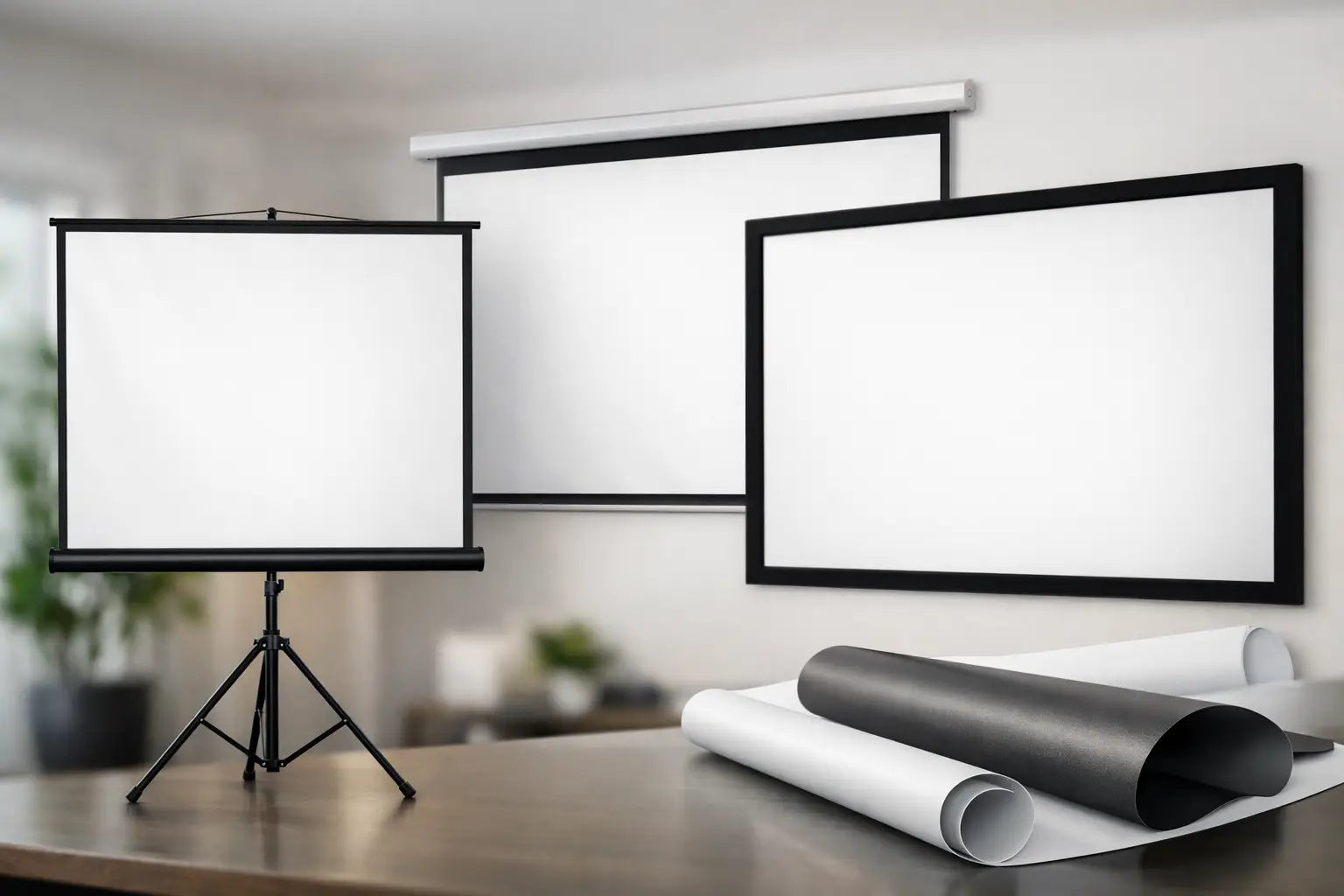
For projector-based rooms, screen size is usually driven by viewing distance and image brightness. In many premium home theaters, a 100-inch to 150-inch screen creates the cinematic impact people are after. But screen size has to match projector output, screen gain, and room darkness. A massive screen in a room with poor light control can look flatter than a smaller, brighter image.
Speaker layout should be locked in early. Front left, center, and right channels need proper spacing around the screen. Surround speakers should sit where they can wrap the audience, not blast directly into one seat. Subwoofer placement deserves serious attention because bass performance can vary dramatically across the room. One subwoofer may be enough in smaller spaces, but dual subs often produce smoother, more controlled bass in premium cinema rooms.
If you are building for Dolby Atmos or another immersive format, ceiling height and wiring paths need to be planned before finishes go in. Retrofitting later is possible, but it is rarely as clean or cost-effective.
Picture first impressions live or die on light control
Even an excellent projector struggles in a room with stray light. If your goal is true cinema atmosphere, blackout control is not optional. That means treating windows properly, reducing reflective surfaces, and paying attention to wall and ceiling finishes.
Dark matte paint dramatically improves perceived contrast. So do darker carpets and non-glossy furnishings near the screen wall. This is one of those upgrades that does not sound glamorous until you see the difference. White ceilings and shiny décor bounce light back onto the screen and wash out black levels. A premium room should feel intentional from the first frame.
If the space cannot be fully darkened, a large high-quality TV may make more sense than a projector. That is not a downgrade. It is the right solution for the room. The strongest cinema rooms are built on smart choices, not stubborn ones.
Audio is what makes the room feel expensive
People notice the screen first. They remember the sound.
This is where many DIY projects fall apart. A beautiful room with weak dialogue, boomy bass, or harsh reflections never feels premium. If you want a cinema room that impresses family and guests the second playback begins, put serious thought into speakers, amplification, processing, and room treatment.
A proper center speaker is critical because most dialogue comes through it. If voices sound thin or unclear, the whole experience suffers. Your left and right speakers should match the center in quality and tonal character. Surrounds add envelopment, while subwoofers deliver scale and impact. The AV receiver or processor ties it all together, managing power, switching, calibration, and immersive audio decoding.
This is also where buying compatible components matters. Premium branded speakers paired with the wrong electronics can leave performance on the table. A specialist-led approach saves time, avoids mismatch, and usually delivers a cleaner result than piecing together a system from random sources.
Acoustic treatment is not optional in a serious cinema room
If you skip acoustics, you are leaving performance in the box.
Hard walls, bare floors, and untreated ceilings create reflections that smear detail and make bass less controlled. Acoustic panels, bass traps, and soft finishes help the room disappear so the soundtrack can take over. Treatment does not need to make the room look technical or cold. In a well-designed cinema room, acoustic elements can be integrated into wall fabric systems, decorative paneling, or discreet architectural features.
There is always a balance to strike. Too little treatment and the room sounds lively in the wrong way. Too much absorption and the room can start to feel dull. The right answer depends on room size, speaker output, furnishings, and your listening goals. This is why tailored design beats guesswork.
Seating, comfort, and sightlines matter more than specs
A cinema room should feel as good as it sounds. Premium seating changes how long people actually want to stay in the room. Recliners with proper head support, cupholders, arm spacing, and enough legroom make a bigger difference than many equipment upgrades.
Sightlines should be checked before finalizing seat placement, especially if you plan for multiple rows. A raised platform may be necessary for the back row. Walkways, side tables, and aisle access also need to be considered early, not squeezed in later.
Comfort extends beyond the chairs. HVAC noise can ruin quiet scenes. Poor ventilation can make the room stuffy during longer viewing sessions. Equipment racks and projector placement should be planned with both heat and noise in mind.
Wiring and control should disappear into the room
A premium cinema room never feels cluttered. That means power, signal cables, source devices, and control systems should be integrated cleanly. Run cabling before finishes go in whenever possible. Leave room for future upgrades. Add more conduit than you think you need.
Control is another place where quality shows. A single remote, wall keypad, or app that handles lights, source selection, audio modes, and screen control makes the room feel polished. The technology should respond quickly and disappear into the experience. If guests need a tutorial just to start a movie, the room is not finished.
Budget the room as a complete system
One of the smartest ways to approach how to build a cinema room is to stop thinking in isolated product categories. The screen affects projector choice. The room affects speaker count. Seating affects layout. Acoustics affect what your electronics can actually deliver.
That is why the budget should be built as a complete project. In many rooms, spending slightly less on one component to fund better acoustics, seating, or installation produces a far better result overall. Chasing the most expensive projector while ignoring sound insulation or room treatment is not a premium move. It is an imbalanced one.
For homeowners who want a refined result without the trial and error, working with an AV specialist can shorten the path dramatically. A company like AmpliMart can help align projection, speakers, screens, acoustic treatment, and installation into one coherent plan, which is exactly what high-end cinema rooms need.
The finish should feel cinematic, not improvised
The final layer is emotional. Lighting scenes, fabric walls, trim details, screen framing, concealed speakers, and a clean equipment strategy all shape how the room feels before the movie even starts. This is where a spare room becomes a destination.
You do not need excess to create luxury. You need discipline. A well-built cinema room feels quiet, focused, comfortable, and immersive because every decision supports the same goal.
If you are building one, build it with intention. The best cinema rooms are not assembled. They are composed.

Leave a comment
This site is protected by hCaptcha and the hCaptcha Privacy Policy and Terms of Service apply.