

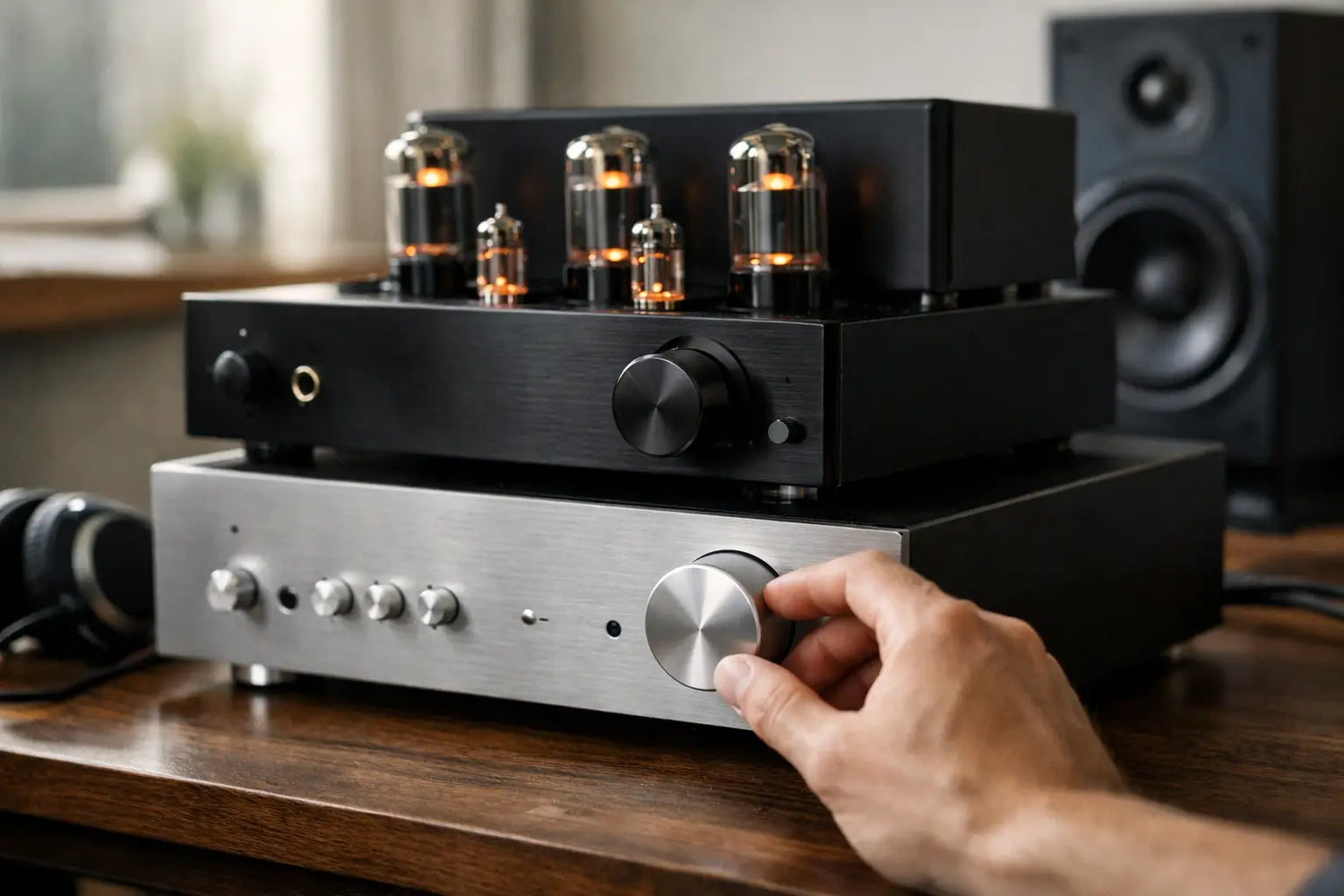
A great pair of speakers can still sound flat, strained, or underwhelming if the amplifier behind them is the wrong match. That is why learning how to choose hifi amplifier equipment properly matters so much. The amp is not just another box on the shelf - it is the control center that shapes how your system feels at low volume, how it opens up when you turn it up, and how confidently it handles every detail.
If you are building a serious listening setup, the smartest move is to stop shopping by watt numbers alone. A premium HiFi system is about synergy. Your speakers, room, sources, listening habits, and upgrade plans all need to point in the same direction.
How to choose hifi amplifier without guessing
The best amplifier for one room can be the wrong one for another. A compact bookshelf system in a living room has very different demands than floor-standing speakers in a large villa lounge or a dedicated media room. Before you compare models, get clear on three things: what speakers you have, how loud you listen, and what sources you plan to connect.
That clarity saves money and usually leads to a better result. Many buyers overspend on features they never use, while others buy a stylish amp that looks premium but lacks the current delivery or connectivity their system needs. The right choice feels balanced, not excessive and not compromised.
Start with your speakers, not the amp
Speakers should lead the conversation because they present the electrical load the amplifier has to drive. Look at speaker sensitivity and impedance first. If your speakers are less sensitive, they need more power to reach the same volume. If their impedance dips low, the amplifier needs to remain stable and controlled under tougher conditions.
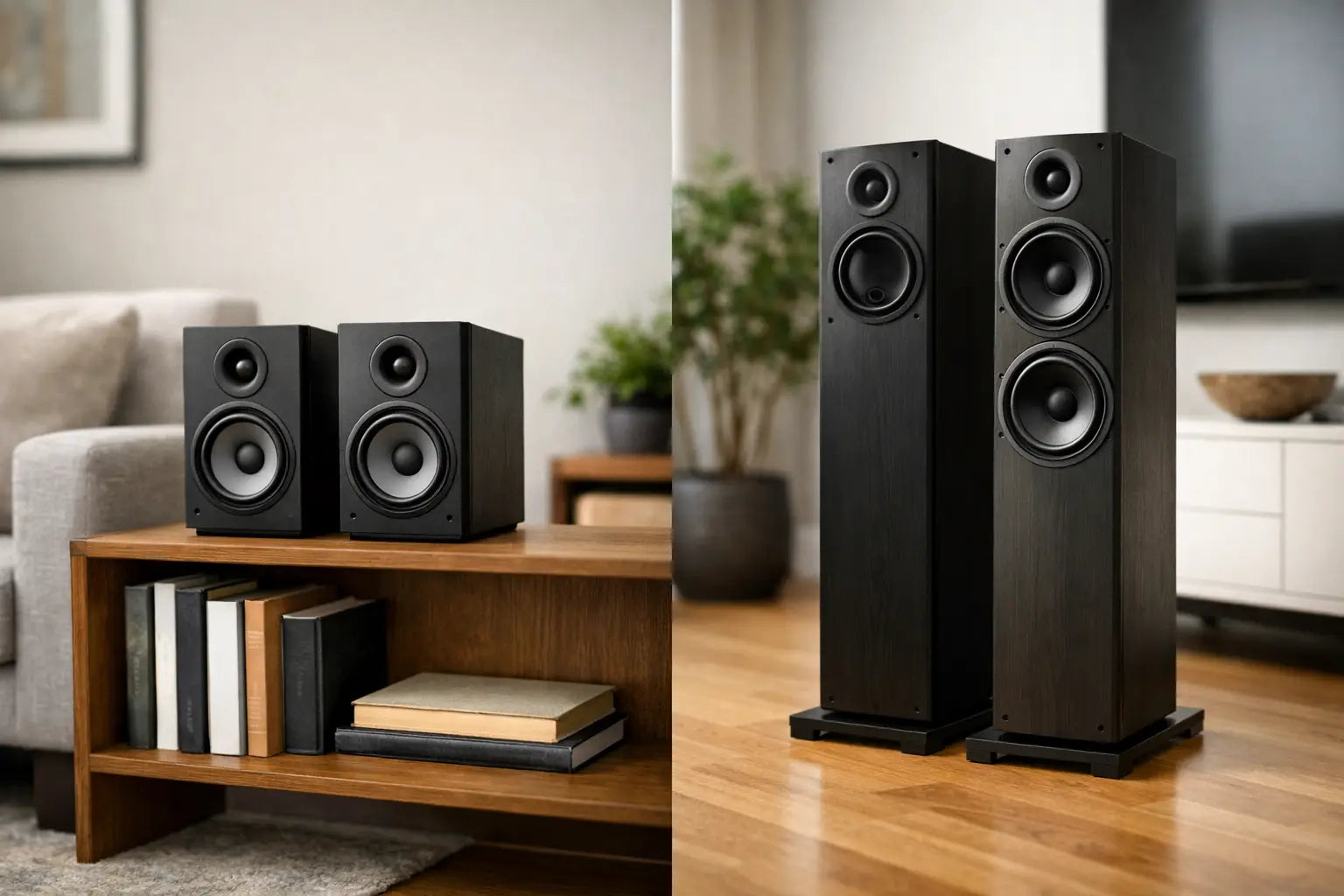
This is where real-world performance matters more than marketing. Two amplifiers may both claim similar wattage, yet one will sound more composed, dynamic, and effortless with demanding speakers. That is especially true with larger floor-standing models or speakers that need strong grip in the bass.
If you already own speakers, match the amplifier to them. If you are buying both together, think in terms of system pairing rather than isolated specifications. A refined amp with the wrong speakers is still the wrong system.
Your room changes the answer
Room size has a huge effect on amplifier choice. In a smaller, well-furnished room, you may not need massive power to achieve rich, full sound. In an open-plan living space with hard surfaces, high ceilings, or lots of distance between the speakers and the seating position, you need more authority.
That does not always mean buying the most powerful amp in the lineup. It means choosing enough power and control for your actual environment. A modest integrated amplifier can be stunning in the right room. In a larger space, though, the same unit may start to sound constrained when the music gets busy or the volume rises.
Power matters, but control matters more
One of the biggest mistakes people make when deciding how to choose hifi amplifier options is treating wattage as the whole story. Power output matters, but it is only part of amplifier performance. Current delivery, power supply design, and the ability to stay composed under load often matter just as much.
A quality amplifier should sound confident, not merely loud. You want bass that feels controlled rather than bloated, vocals that stay clear when the mix gets dense, and dynamics that rise naturally instead of hardening. That sense of ease is a sign of good amplifier control.
If you listen at low to moderate levels, do not assume you can ignore power completely. An amplifier with stronger control often sounds better even before you turn it up. There is more body, better detail, and a stronger sense of scale.
Integrated amplifier, power amp, or separates?
For most home listeners, an integrated amplifier is the right place to start. It combines preamp and amplification stages in one chassis, keeps the system cleaner, and often delivers excellent value. If you want a premium listening room without adding unnecessary complexity, a strong integrated model is usually the smartest route.
Separates make sense when you are building a more ambitious system and want maximum flexibility, more upgrade paths, or greater performance with demanding speakers. They can deliver exceptional results, but they also take up more space, cost more, and require more careful system planning.
If your goal is elegant simplicity with serious sound, integrated amplification is hard to beat.
Choose features based on how you actually listen
This is where many purchases go off track. Buyers get pulled toward a long feature list, then realize later that half of it does not fit their setup. A better approach is to work backward from your daily habits.
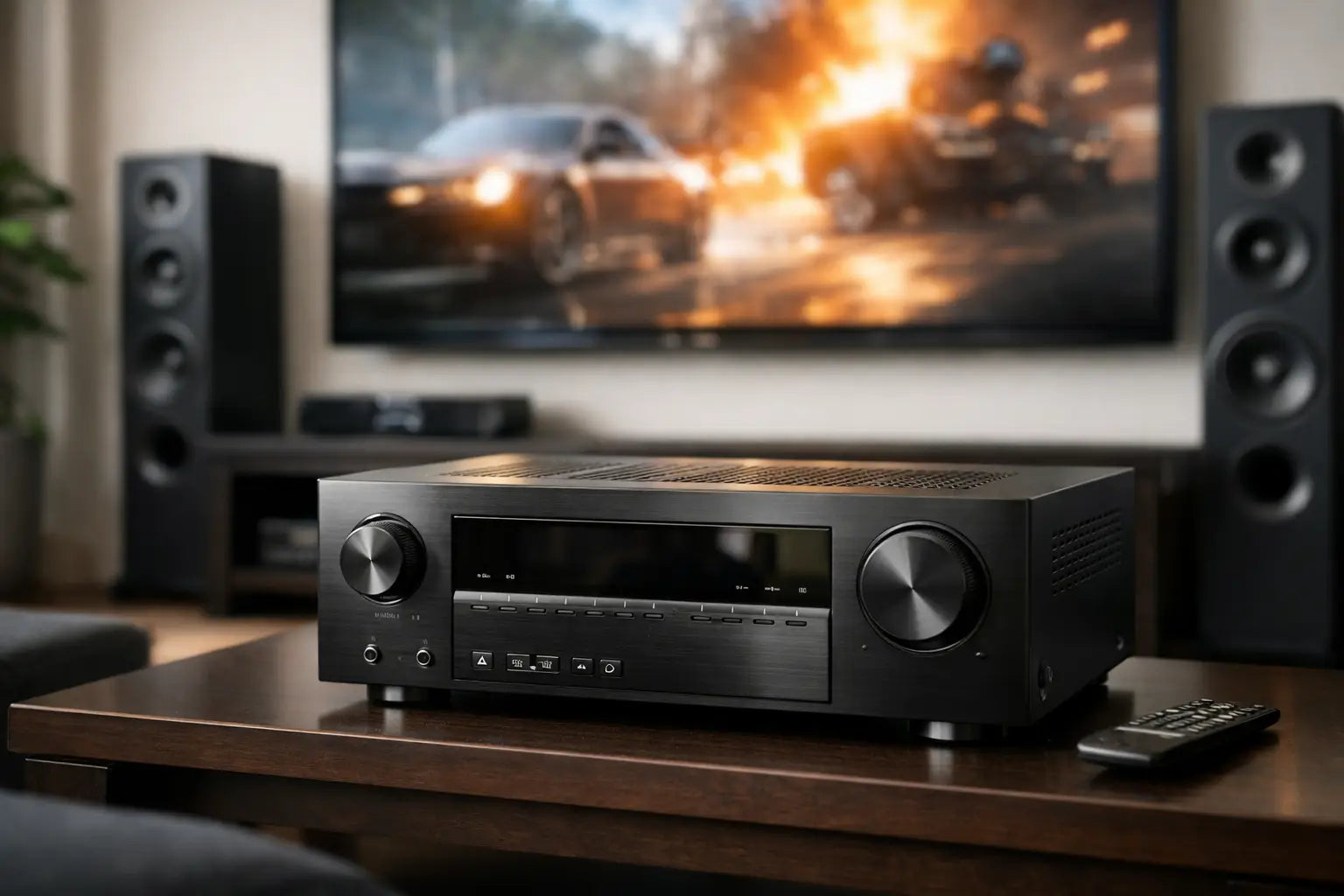
If you stream music constantly, look for an amplifier with quality digital inputs or built-in streaming support. If vinyl is central to your system, check whether the amp includes a phono stage and whether it suits your cartridge type. If you want TV sound to run through your HiFi system, make sure the connectivity is easy and practical.
Bluetooth can be convenient, but convenience is not the same as serious listening quality. Built-in DACs are useful, but not all DAC sections perform at the same level. A feature is only premium if it actually improves the experience.
Think about today and one upgrade ahead
A good amplifier should suit your current system, but it should also leave room for one sensible future step. Maybe you plan to add a streamer, move into better speakers, or create a cleaner TV and music setup in the same room.
That does not mean buying an oversized amp for a future you may never reach. It means avoiding dead ends. A little flexibility in inputs, power, or connectivity can keep your system feeling current for much longer.
Sound character is real, even when specs look similar
Not every amplifier presents music the same way. Some sound warm and smooth. Others are crisp, fast, and highly revealing. Some put more emphasis on rhythm and punch, while others lean into spaciousness and detail.
There is no universally correct sound character. It depends on your speakers, your room, and your taste. If your speakers already sound lively, pairing them with a very forward amplifier can push the system too far. If your room softens detail, a more open and articulate amp might be exactly what the setup needs.
This is why premium system building is about balance. Great sound is rarely created by chasing the most extreme trait. It comes from choosing components that complement each other.
Budget the system as a whole
If you are serious about sound, do not pour your entire budget into the amplifier while neglecting speakers, placement, or room treatment. The amplifier is crucial, but so is the environment it works in. Even an excellent amp can be held back by poor speaker positioning, reflective surfaces, or a weak source.
A more balanced system usually outperforms a lopsided one. That is especially true in lifestyle spaces where aesthetics, furniture layout, and shared family use all influence the final result. Premium sound should fit the room beautifully, not fight against it.
For many homeowners, the best investment is not simply buying a more expensive amp. It is choosing the right amp within a complete plan.
Common mistakes when choosing a HiFi amplifier
The most common mistake is buying based on brand prestige alone. Premium brands matter, but model-to-model matching matters more. Another mistake is choosing too little power for difficult speakers, then blaming the speakers for sounding thin or harsh.
Some buyers also underestimate usability. If an amplifier is frustrating to connect, awkward in the room, or missing key functions you use every day, it will not feel premium for long. Performance and lifestyle fit need to work together.
And finally, avoid chasing specs without context. Numbers can guide you, but they do not replace proper system matching.
The best amplifier is the one that fits your system
When you get this decision right, everything improves. Music sounds more effortless. Voices become more present. Bass gains shape and authority. The room feels more alive, more luxurious, and more intentional.
That is the real answer to how to choose hifi amplifier equipment with confidence: start with your speakers, respect your room, buy for your listening habits, and prioritize system synergy over spec-sheet theater. If you want a setup that feels elevated from the first song, choose the amplifier that serves the whole experience - not just the product page.

اترك تعليقًا
This site is protected by hCaptcha and the hCaptcha Privacy Policy and Terms of Service apply.